The Lake District and The Brontes
The Bronte family have many links to Westmoreland and Cumbria and the modern day Lake District National Park.
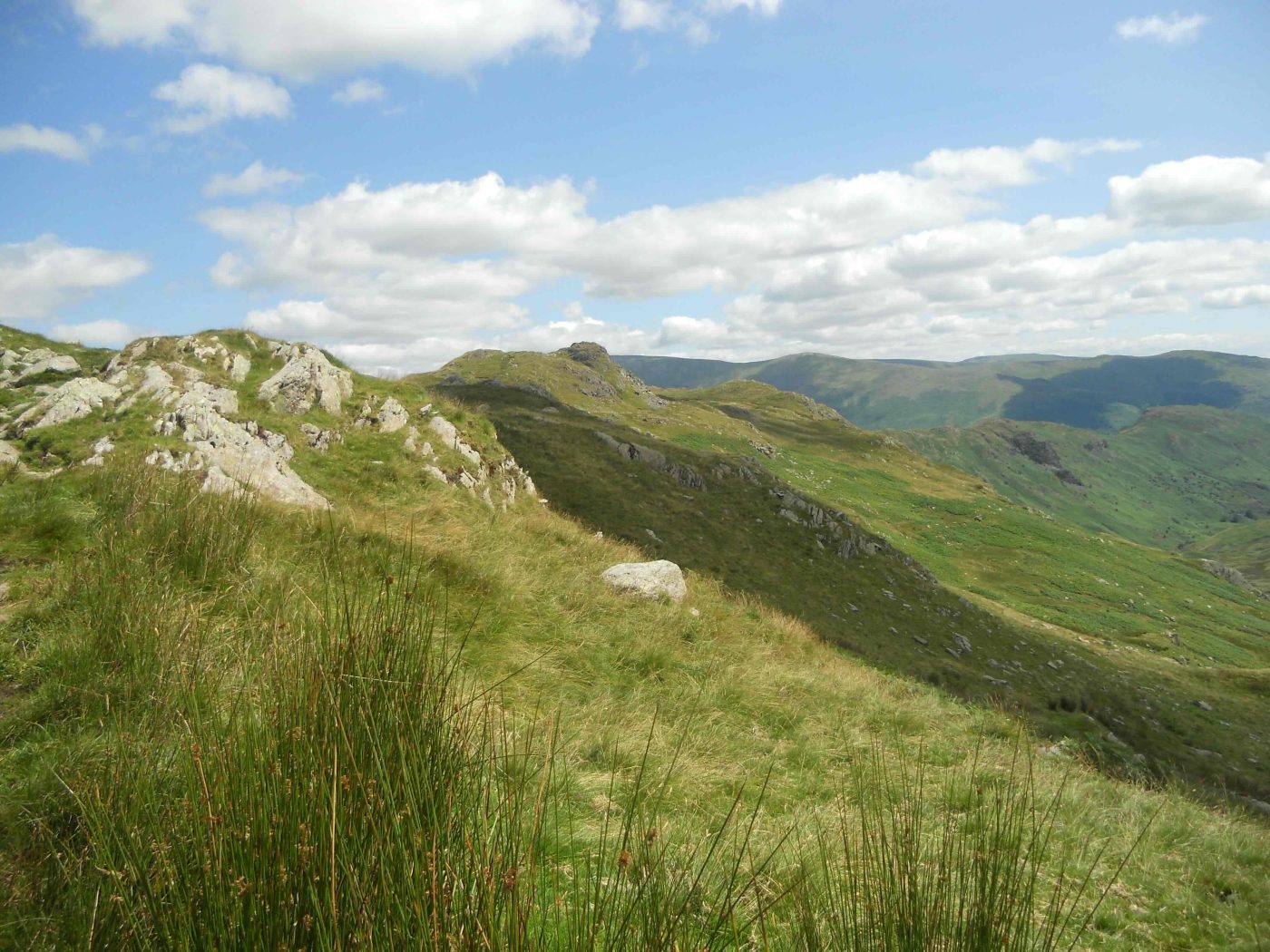
From attending school as children to writing to William Wordsworth; from visiting Ambleside to forming a close friendship with Harriet Martineau, the Lakeland and Bronte links are numerous.
Branwell Bronte
In January 1837, Branwell sends a letter to William Wordsworth, the Romantic poet who lived in Grasmere and other locations.
Branwell wants advice from the great poet and shares his own poem entitled “The Struggles of Flesh with Spirit.”
Branwell didn’t hold back on his admiration of Wordsworth’s work, and the Bronte brother lives in hope of receiving a reply.
Wordsworth didn’t bother to reply, which must have hit Branwell hard.
Branwell Bronte’s character is sometimes considered a troubled one.
As the only male sibling in the Bronte brood, and in the tradition of the time, father Patrick had high hopes of his son.
As Branwell’s life unfolds, we are familiar with his battle with several addictions and, most likely, poor mental health.
Taking the steps of writing to such an eminent poet showed a degree of courage and confidence in his own ability.
You can find out more here about Wordsworth’s connections to Yorkshire.
Cowan Bridge
You can read more about Cowan Bridge Clergy Daughters School here.
Not too far from the border with Cumbria, Cowan Bridge School for Girls is infamously portrayed in Charlotte Bronte’s novel, Jane Eyre.
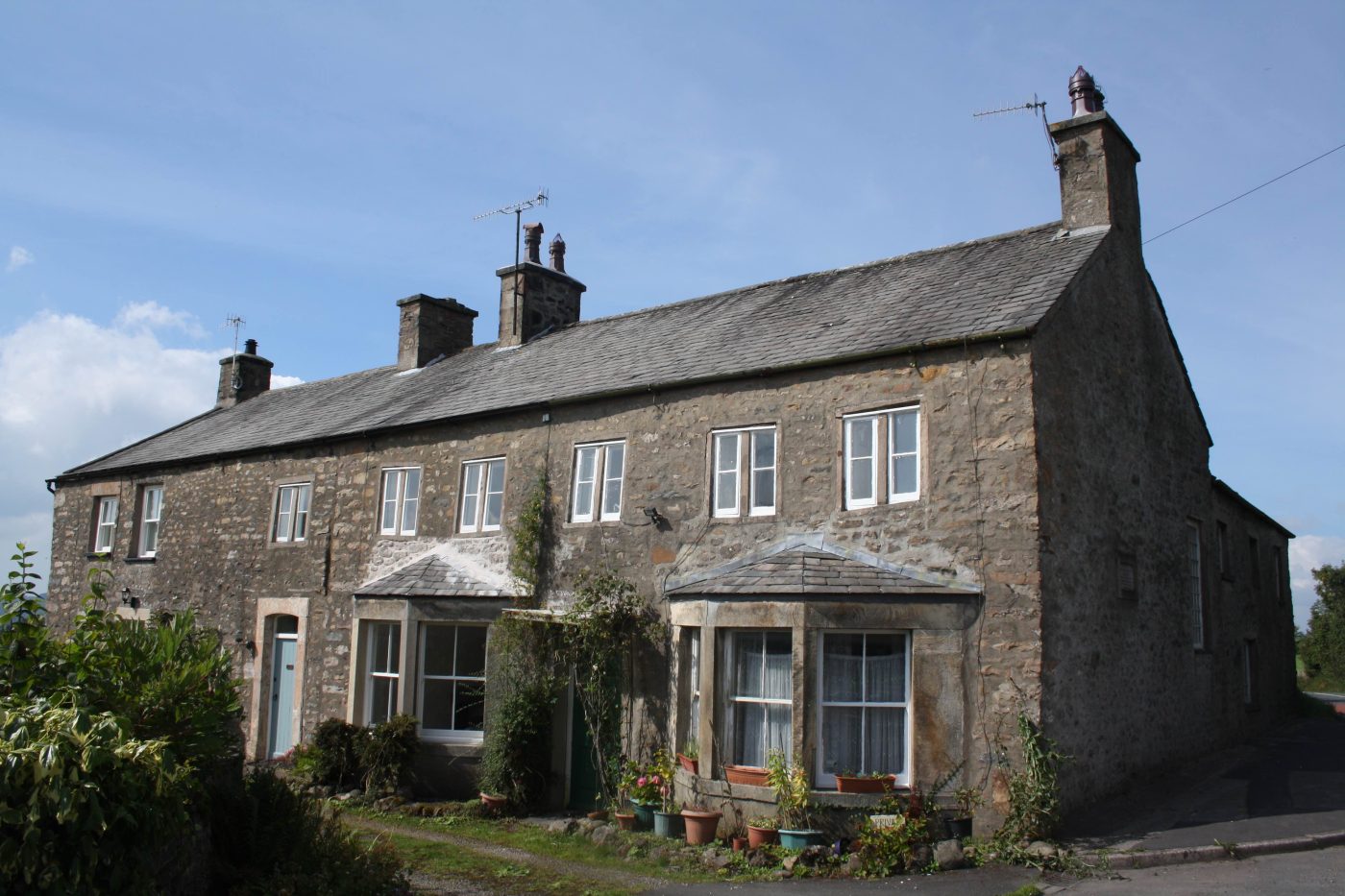
Renamed Lowood, the school promotes a life of deprivation for its pupils.
Maria, Elizabeth, Charlotte and Emily attended Cowan Bridge school although their health deteriorated to such a point, Patrick withdrew them from the premises.
Harriet Martineau
Harriet Martineau, daughter of a textile manufacturer, is a journalist and writer, was born in 1802.
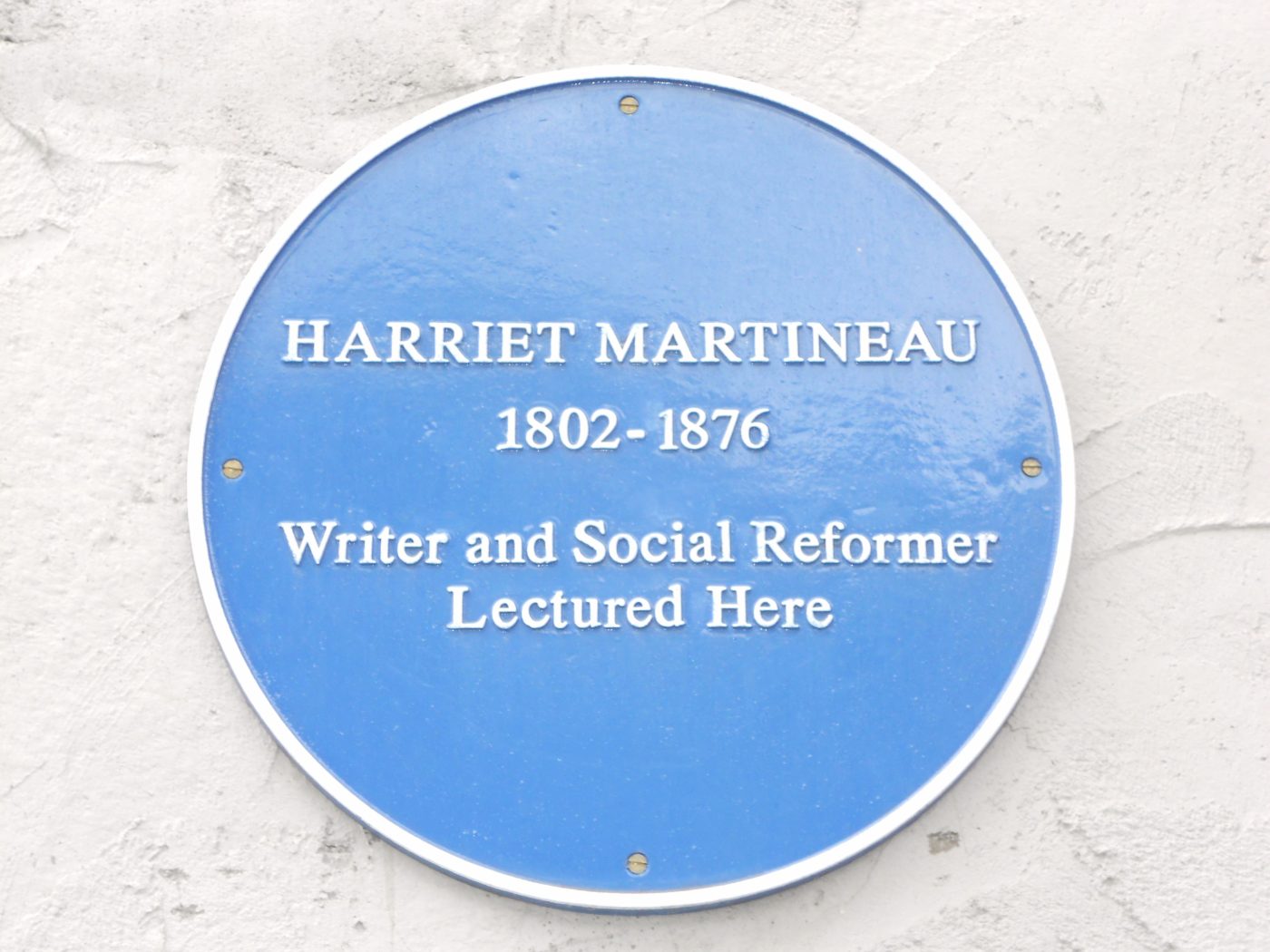
Deaf since the age of just 12, she supports herself through her writing and becomes a prominent social activist during her lifetime.
She travels to America, the Middle East and Europe, then Harriet moves to the Lake District in 1845-6.
There she designs and oversees the construction of The Knoll in Ambleside.
Harriet is also an early suffragist, an abolitionist and was in favour of women being able to enter the medical profession.
In 1854, her “Guide to Windermere” was published, a reprint of which was printed in 1995.
The guide cost 10 shillings, which was a significant sum at the time.
The 1995 reprint includes a directory of businesses operating at the time; a detailed map; and a fascinating list of advertisers.
All this provides a glimpse of the English Lakes and how popular they were becoming as a tourist destination.
Harriet has links to William Wordsworth, Charlotte Mason, the educationalist, Nathaniel Hawthorne and Charlotte Bronte.
Visiting five years before her own demise, Charlotte Bronte visited Harriet in 1850, having enjoyed an epistolary relationship with Harriet.
They met in London previously, when Charlotte was still ‘known’ as the mysterious Currer Bell.
Harriet invited Charlotte to stay with her in December 1850, and Charlotte found her host’s uniqueness utterly fascinating.
Harriet took very early morning walks, whatever the weather threw at her, before a brief breakfast, followed by work until 2pm.
The rest of the day was dedicated to her guests, until around 10pm, after which Harriet dealt with letters and other correspondence.
One of Harriet’s habits was to talk perhaps non-stop: Harriet herself knew she talked ‘far too much’.
Charlotte Describes Harriet
Charlotte, however, relished the energy of Harriet.
She wrote: ‘I cannot speak in terms too high. Without being able to share all her opinions philosophical, political or religious – without adopting her theories – I yet find a worth and greatness in herself, and a consistency, benevolence, perseverance in her practice, such as wins the sincerest esteem and affections. She is not a person to be judged by her writings alone, but rather by her own deeds and life, than which nothing can be more exemplary or nobler. She seems to me the benefactress of Ambleside, yet takes no sort of credit to herself for her active and indefatigable energy …’
Parish Church of St Mary the Virgin
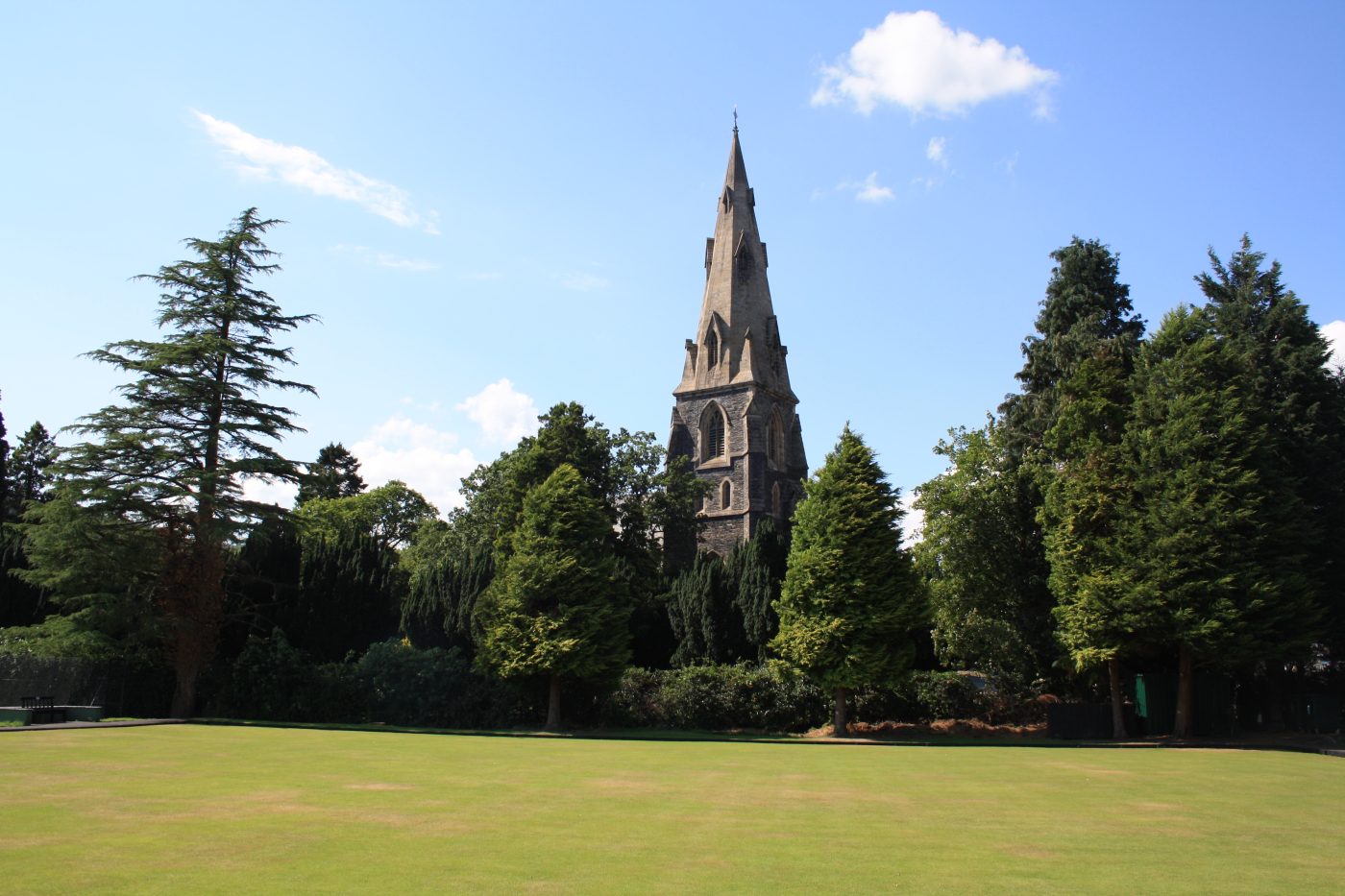
The stunning church which is seen from just about anywhere in Ambleside, was built between 1850 and 1854, consecrated in June 1854.
Charlotte’s stay in Ambleside in 1850 coincided with the start of the building process: the architect is Sir George Scott.
The church includes the Wordsworth Chapel Windows in the Wordsworth memorial chapel.
Further reading:
Miss Harriet Martineau’s Guide to Windermere in the year 1854.