The Greens of Grasmere
Fell walkers will be familiar with Grasmere, one of the most picturesque villages in the Lake District National Park.
Its simple chapel, St Oswald’s, the cool slow-flowing stream, surrounded by towering mountains, waterfalls and tarns.
Grasmere is picture perfect.
If you head to St Oswald’s churchyard, no doubt you’d head straight for the gravestones of the Wordsworth family, who resided in the village during the early 19th century.
In doing so, you may pass a lichen-covered gravestone, facing an evergreen tree, with its back to the footpath and one that stands alone from the rest.
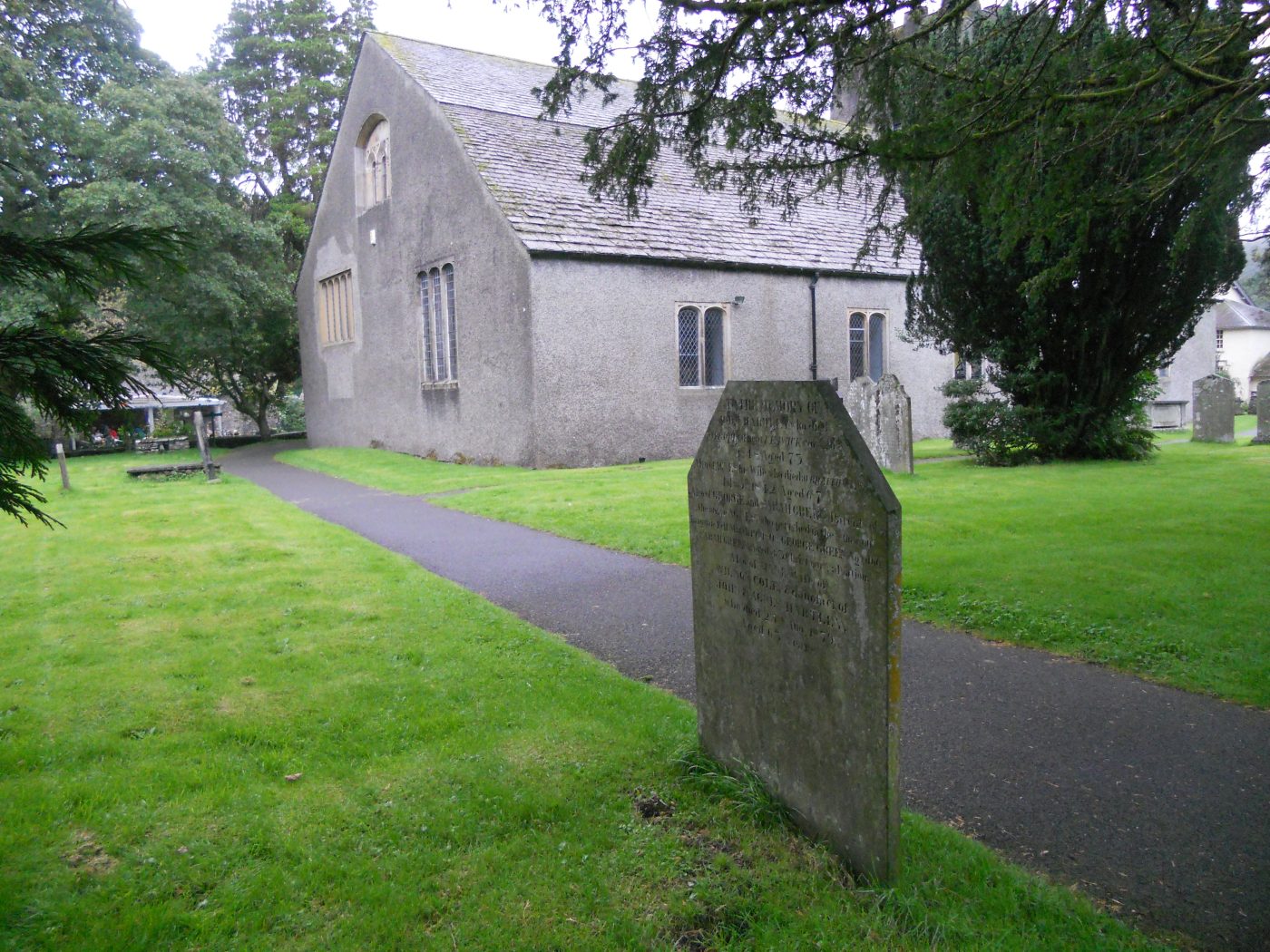
This humble-looking gravestone marks the spot where a mother and father fell to their deaths above the picturesque village.
They left behind a large brood of children to fend for themselves.
Their tragic demise united the village, the Wordsworths included, in a story that touched the hearts of their famous friends.
The year 1808 is a troubled one for the poet William Wordsworth, his wife Mary and sister Dorothy.
After a falling out with his publisher, Wordsworth has not printed a poem in some time and the coffers are running low.
The Wordsworths live in Dove Cottage, now owned by the Wordsworth Trust, on the outskirts of Grasmere village, beneath austere fells and unpredictable weather.
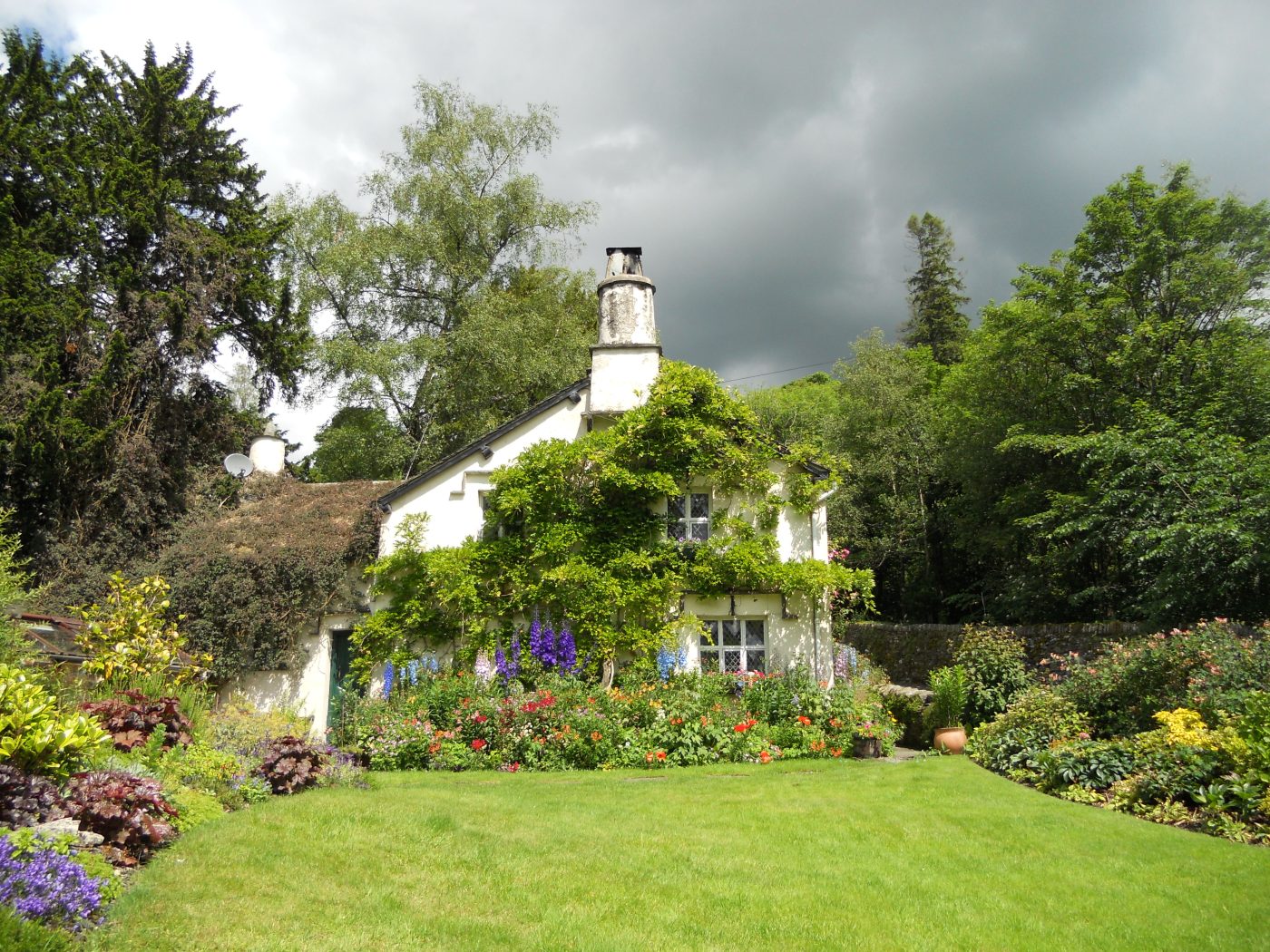
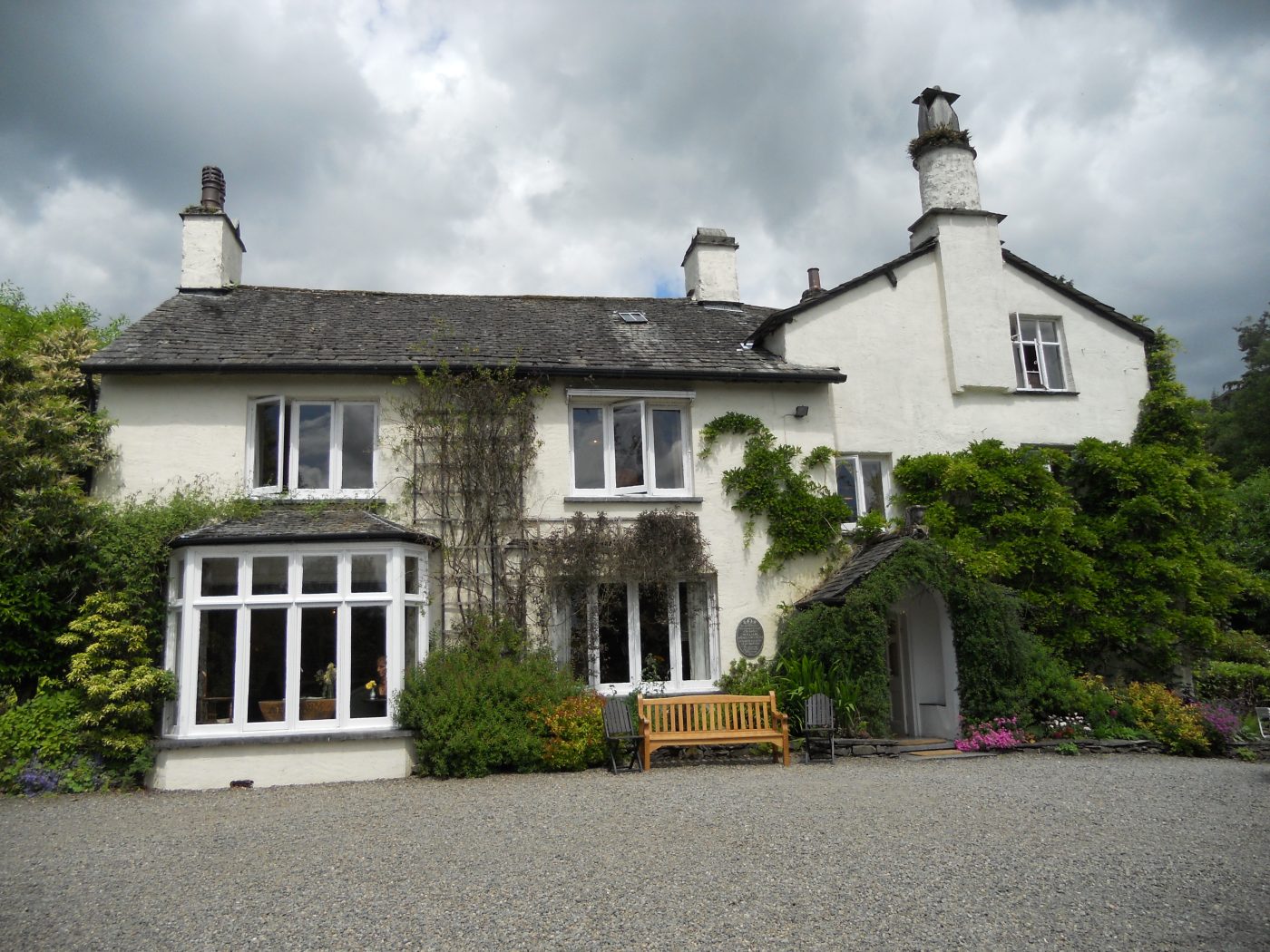
Due to their expanding family and dwindling cash flow, the Wordsworths are in the process of preparing to move from Dove Cottage to another house in the village, Allan Bank.
They have a number of servants, including Sally Green, whose parents live in a ramshackle cottage in Easedale on the very outskirts of Grasmere village.
The Green family keep themselves to themselves.
There is a considerable age difference between husband George and his young wife, Sarah.
George has been married before and has children from his previous marriage.
However, he has lost at least one son to illness.
With Sarah, his second wife, he had sired several children, including Sally.
Due to the dwindling income received at Dove Cottage, the Wordsworths are considering Sally’s position in light of their house move and finances – do they really need her services?
Their own family is expanding, and with William’s headstrong attitude, they need to cut back on expenditure.
Sally and her family are unaware of the Wordworths’ financial difficulties.
They have their own problems, as they are suffering the most dire and incredible poverty, the likes of which the Wordsworths are completely unaware, but would soon become fully cognisant of.
The Greens have a small plot of land and very thin heifer, which no longer provided milk.
With their plot of land mortgaged to the hilt, George and Sarah head off for what is known as a farm sale, to relieve their monotonous lives, and perhaps hoping to buy some cheap food and goods.
The sale is held in the adjacent Langdale Valley, beneath the beautiful, forbidding, treacherous Langdale Pykes.
One of the Greens’ elder daughters, Sarah, works in one of the public houses in the Langdale: George and Sarah set off on that fateful day – Saturday 19th March 1808.
They leave Sally, who returns from her Dove Cottage duties, to look after her siblings, the youngest of which is an un-weaned baby.
Although it is unlikely the villagers knew, the Greens are in a terrible state.
Although proud and probably defiant, the hints of poverty were subtle.
The children’s clothes were shabby, the grate was without a fire and there is little food in the house.
Sarah and George make it to the sale although the weather is starting the close in.
While the iconic daffodils are in bloom, winter lashes out with a sting in her tail.
As the Greens make it to Langdale Valley, the weather turns suddenly and snow starts to fall.
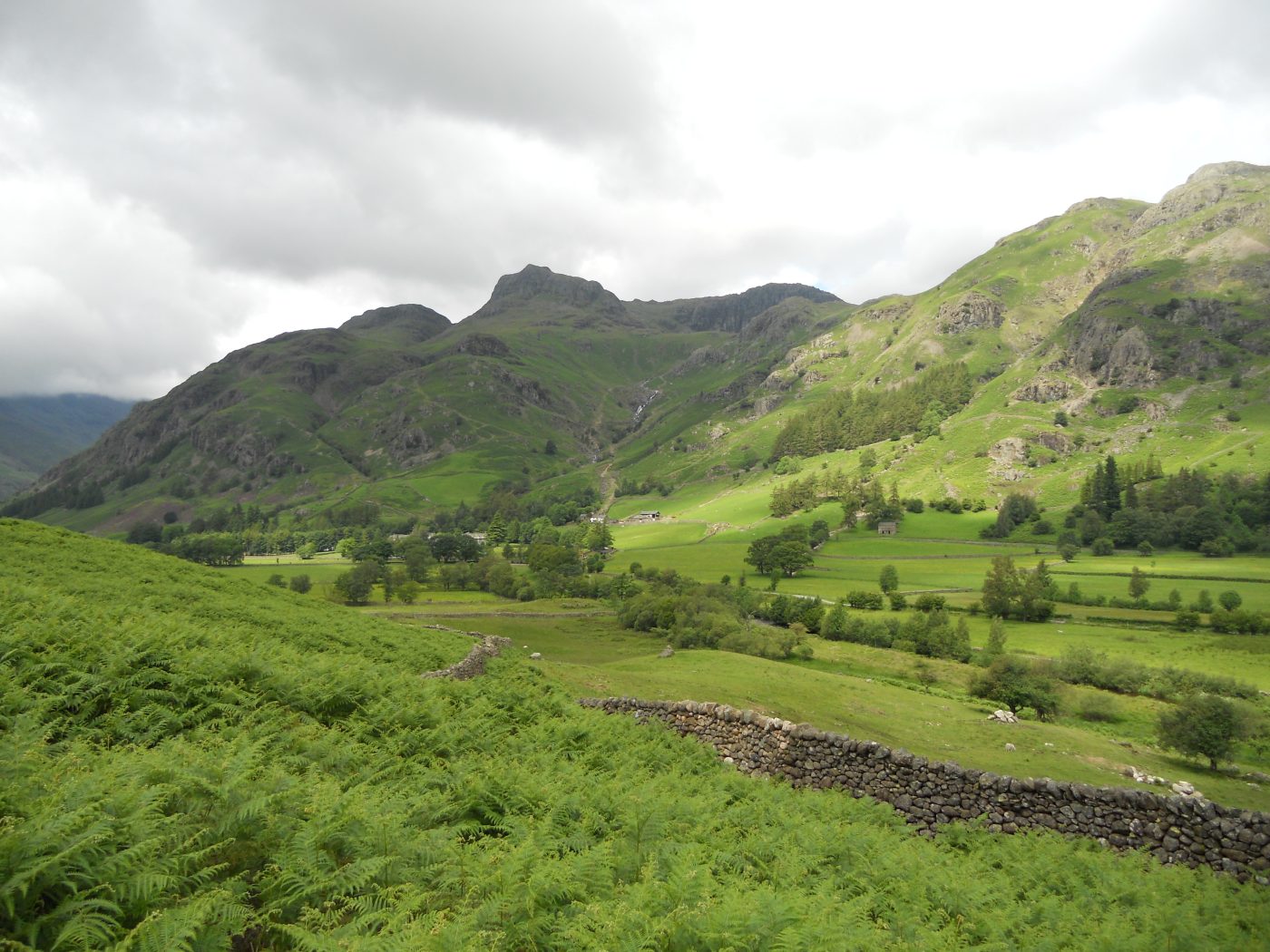
The farm sale, though, is in full swing and is getting a bit raucous, a chance for the locals to ‘let their hair down’.
As the Greens make their fateful last journey, some of the inhabitants of Dove Cottage are facing reality.
As money is tight, every penny counts.
Dorothy writes to William who is in London, urging him to get the poem he’s been working on published.
However, in typical fashion, William cannot bury the hatchet with his publisher, Mr Longman, and storms out of a meeting with his worried and frustrated publishing partner.
Instead of heading back to the Lakes, he stays in London as the drama in Grasmere unfolds.
In the Greens’ cottage, the children have spent an uncomfortable, cold and fretful night, waiting for their parents to return.
The elder children, including Sally, assume their parents have stayed in the adjacent valley due to the bad weather.
Without food or fuel, Sally knows they won’t survive long.
She sends out her younger brother to a neighbour to ask for a coat to cover the youngest children.
When he asks the neighbour for this humble request, the alarm is raised.
The neighbour alerts various people in the village and many of them begin a frantic search for the Greens.
The first day of searching draws a blank, as does the second day.
The Wordsworths, though, are quick to call in on the children and arrange food for them.
They are joined by various women of the village, introducing us to a number of characters, some likeable, some not!
The search for the Greens continues as William is on his way back to the Lakes from London.
On day four, the Weds 23rd March 1808, Sarah and George’s bodies are found: bloody, mangled and battered.
The whole of Grasmere and the Langdale Valley is completely shocked at this tragic event.
As the bodies are recovered, it is discovered that some people heard cries or shouts on the night George and Sarah visited the sale.
It is highly likely that locals put these shrieks down to drunken villagers; it is far more likely to have been George and Sarah screaming as they fell to their deaths.
Dorothy is quick to pen to paper and also get to grips with the situation, helping re-home the children.
The funeral is a pathetic affair, and a chance for the rest of the village to see first-hand the pitiful cottage and conditions in which the Greens lived.
Gossip is rife: it turns out some of the children were born out of wedlock, and that they were in a great deal of debt.
All of this had been hidden from their fellow villagers.
Eventually all the children are re-homed, after some initial trials and tribulations.
The Wordsworths move into Allan Bank.
William puts his full force into fundraising for the Green children, even penning a poem in memory of their parents.
His appeal gains support from the great and the good, but even this has a bitter end.
By June 1808, with the fundraising having raised a great deal of money, it is decided to put a stop to it, as ill-feeling crept in with some of the less well-off villagers who are themselves surviving on impoverished incomes.
My article was also published by the Cumbria Magazine.
You can also read about Wordsworth’s Yorkshire Connections here.