Bronte Buildings
Numerous buildings inspired the Bronte siblings in their written work.
This blog will mainly focus on Charlotte and the various autobiographical details included in Jane Eyre, first published in 1847.
Cowan Bridge
Fans of the Brontes, and in particular the novel Jane Eyre written by Charlotte, understand that buildings and stories they’ve encountered often make their way into their works.
Most who have read (and re-read) the novel will recall the harsh conditions of Lowood School.
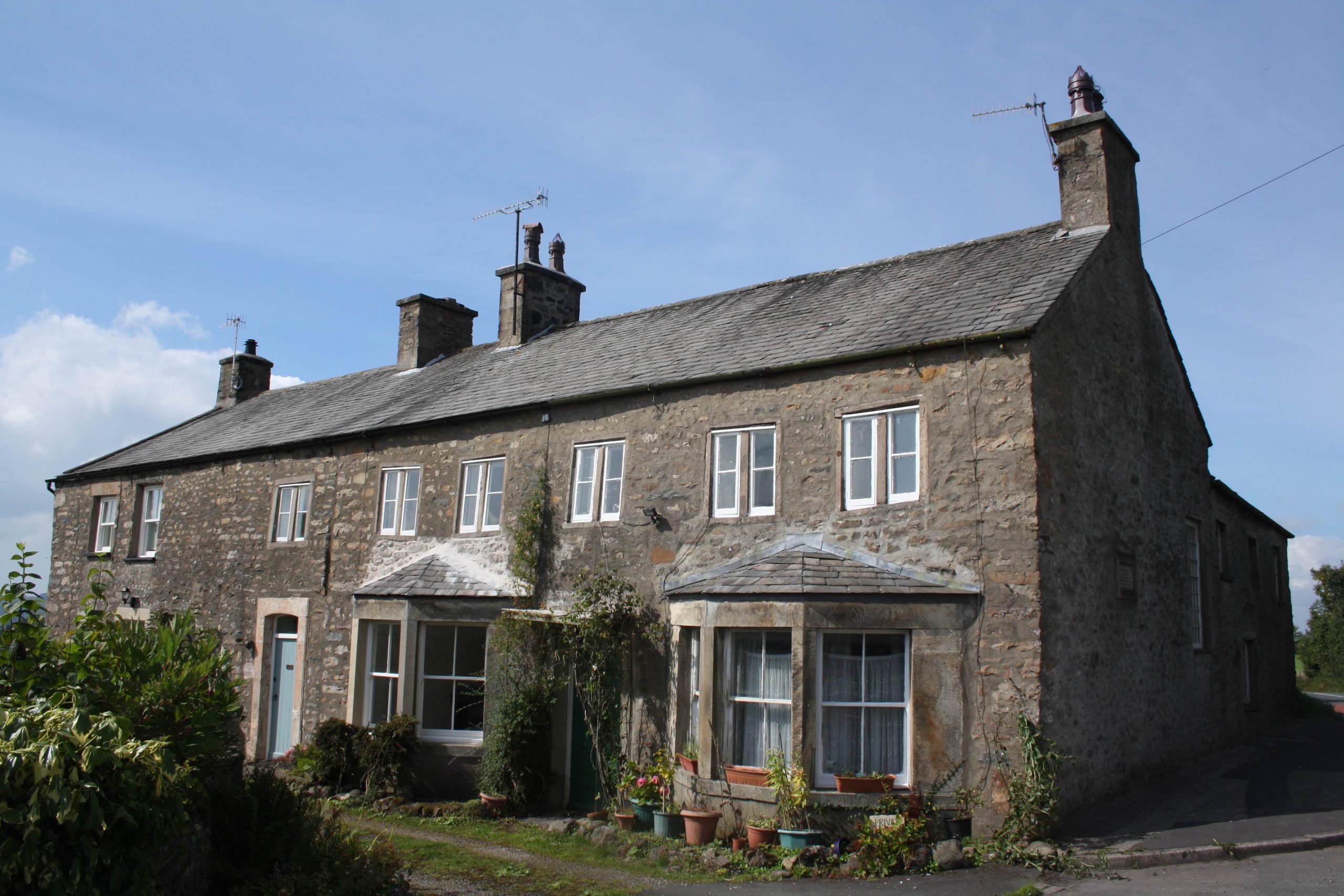
We first encounter Lowood through Jane’s eyes as follows:
“There was now visible a house or houses – for the building spread far – with many windows, and lights burning in some; we went up a broad, pebbly path, splashing wet, and were admitted at a door …”
This description befits the ‘real life’ Cowan Bridge school, located in the Dales village of the same name.
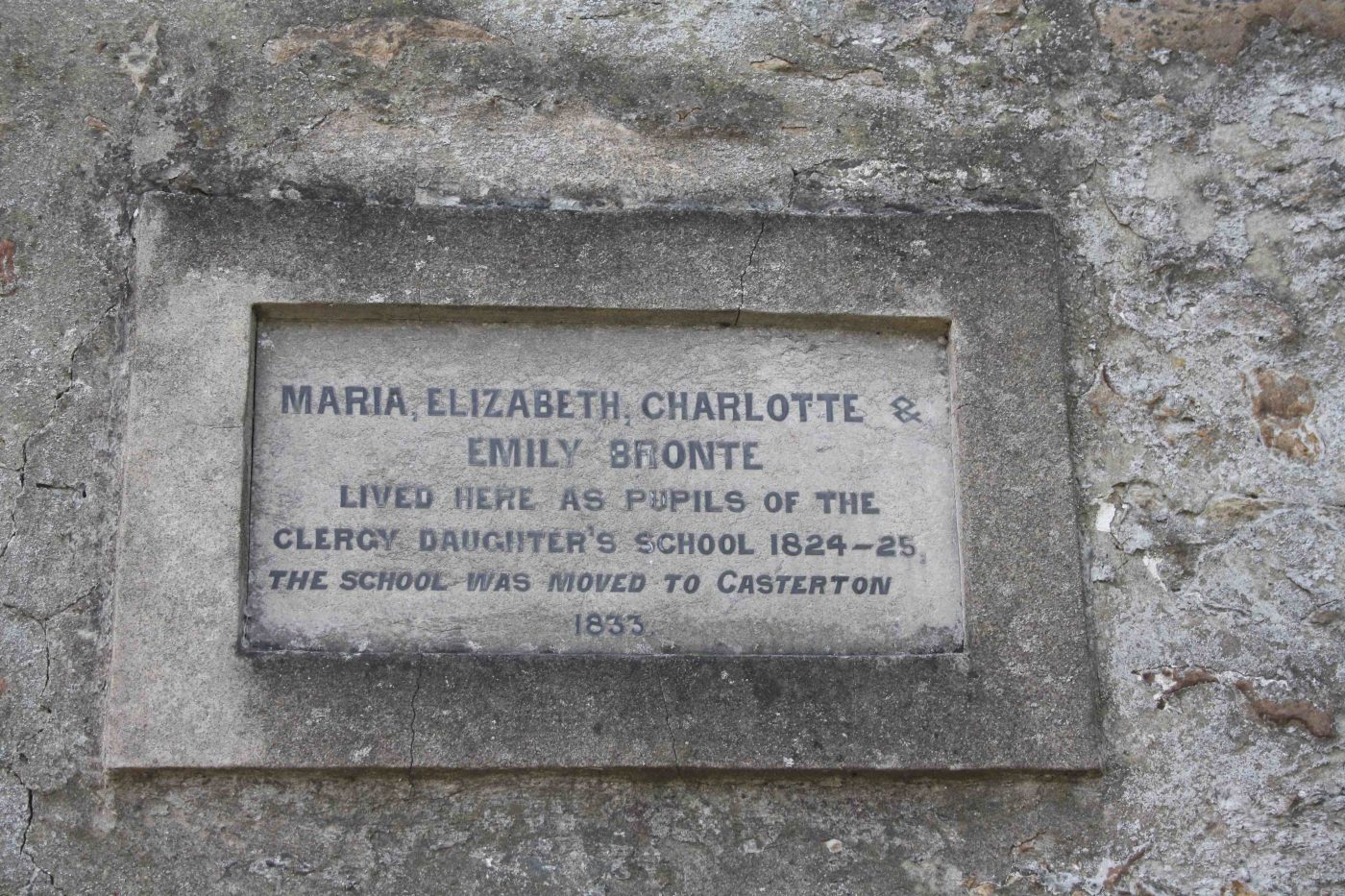
The Clergy Daughters School was founded in 1824 by Reverend William Carus Wilson.
Charlotte, Emily, Elizabeth and Maria became pupils soon after its opening.
The school expanded the following year.
Records from the period indicate that typhus fever was a visitor from time to time.
Charlotte mentions this in a later letter to Mrs Elizabeth Gaskell.
Charlotte captures perfectly in Jane Eyre the views from Cowan Bridge.
The village isn’t far from the Cumbrian border, and therefore from the Lake District National Park.
“… there was a hilly horizon. My eye passed all other objects to rest on those most remote, blue peaks … I traced the white road winding round the base of one mountain and vanishing in a gorge between the two.”
Kirby Lonsdale
The nearest town is Kirby Lonsdale, a picturesque place and just over two miles from Cowan Bridge. Charlotte renames the location Lowton in Jane Eyre.
Jane’s description is as follows: “I stepped across the clean and quiet little street from the shoemaker’s to the post-office.”
However, even Jane is given to describing Lowood in a more positive light: instead of “those purple peaks” and “frozen fog” Jane describes the school as follows as spring arrives:
“Lowood shook its tresses; it became all green, all flower; its great elm, ash and oak skeletons were restored to majestic life … unnumbered varieties of moss filled its hollows and it made a strange ground-shone out of the wealth of its wild primrose plants …”
It is easy to imagine the austere school conditions Jane describes, yet visiting it in the height of summer shows this to be a beautiful place.
There is a plaque to mark the Bronte’s connection, as today the school is now a row of pretty cottages.
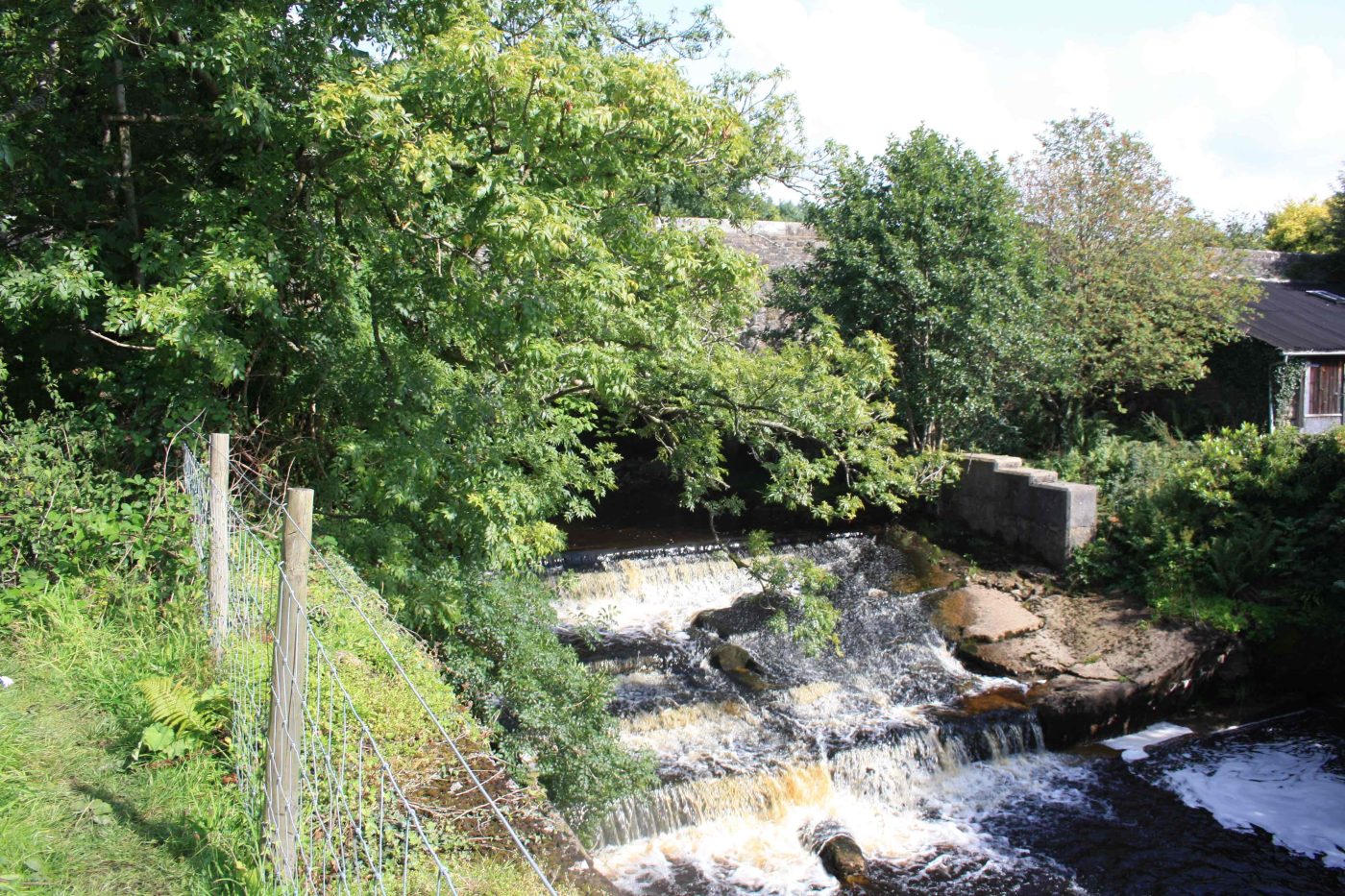
You can walk over the bridge (Leck Bridge) and see the river and waterfall in all its glory as you absorb the peace and quiet of the area.
Bronte fans can today visit Cowan Bridge village, which is on the A65 in the Yorkshire Dales.
Norton Conyers
Charlotte’s inspiration for Thornfield and its many secrets was partly due, it is thought, to Norton Conyers, near Ripon.
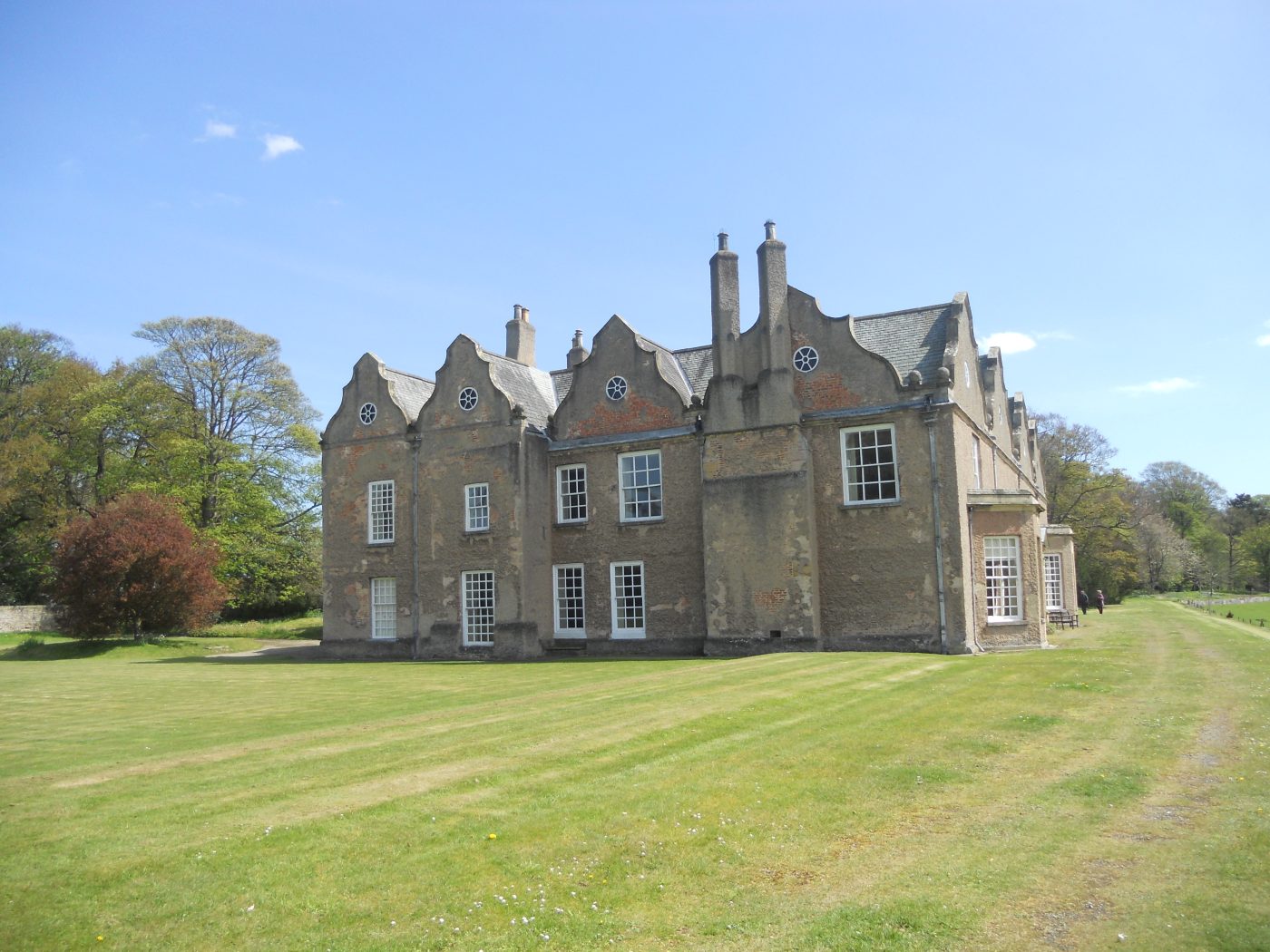
A late medieval manor, visited by Charles I and James II, was also visited by Charlotte in 1839.
She most likely heard of the legend of the ‘mad woman in the attic’.
This is thought to have been the inspiration for the hidden figure Mrs Rochester, trapped on the third storey of Thornfield Hall.
While the outside of this beautiful building doesn’t match Charlotte’s description of Thornfield Hall, the interiors most likely inspired her when writing her famous novel.
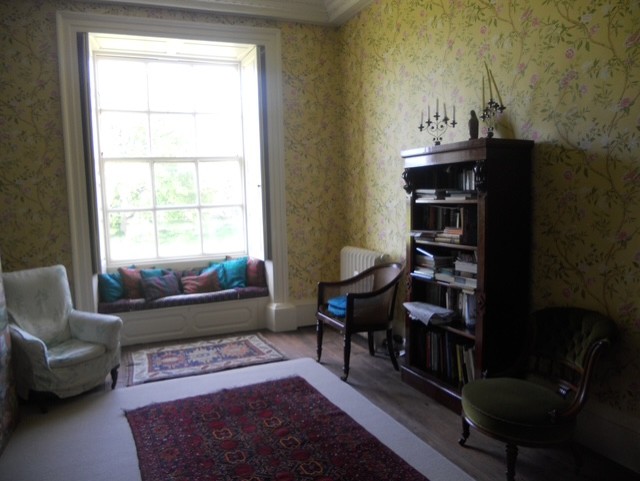
In 2004, Norton Conyers made the headlines when a blocked staircase was discovered, connecting the first floor to the attics.
Jane’s words, when first encountering the splendours of Thornfield Hall, where she is employed as a governess.
These include descriptions of a pretty drawing room including a boudoir, crimson couches and ottomans, a pale Parian mantel-piece with sparkling Bohemian glass, ruby red.
The most fascinating link between the novel and Norton Conyers is undoubtedly the incarcerated ‘mad’ woman.
Jane describes: “the narrow garret staircase …the long passage … separating the front and back rooms of the third story: narrow, and dim, with only one little window at the far end, and looking, with is two rows of small back doors all shut, like a corridor in some Bluebeard’s castle.”
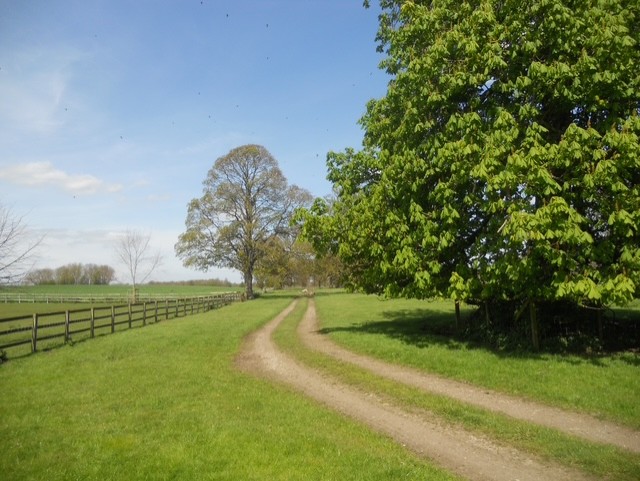
The grounds are stunning and when you are shown around the house, you can see it through Charlotte’s eyes.
Bronte Parsonage
Now a place of homage to Bronte fans, the Bronte Parsonage Museum in Haworth takes visitors in the world of Anne, Branwell, Emily, Charlotte and Patrick.
Beautifully preserved and featuring a host of artefacts, fans of Jane Eyre will spot a number of items that found their way into Charlotte’s most successful novel.
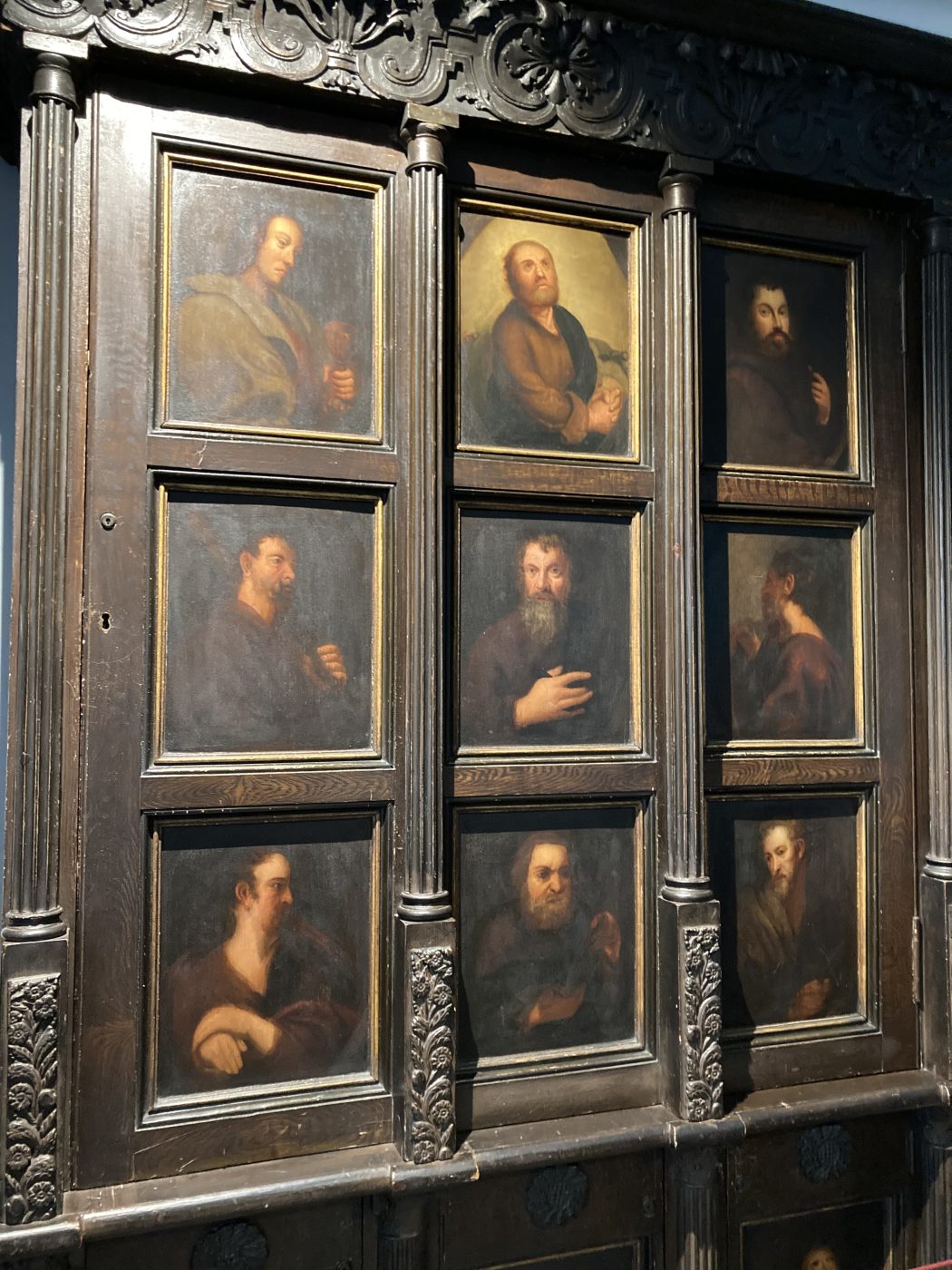
These include the famous cupboard featuring the twelve apostles, which is described by Jane as follows:
“ … a great cabinet … whose front , divided into twelve panels, bore in grim design, the head of the twelve apostles, each enclosed in its separate panel as in a frame … “
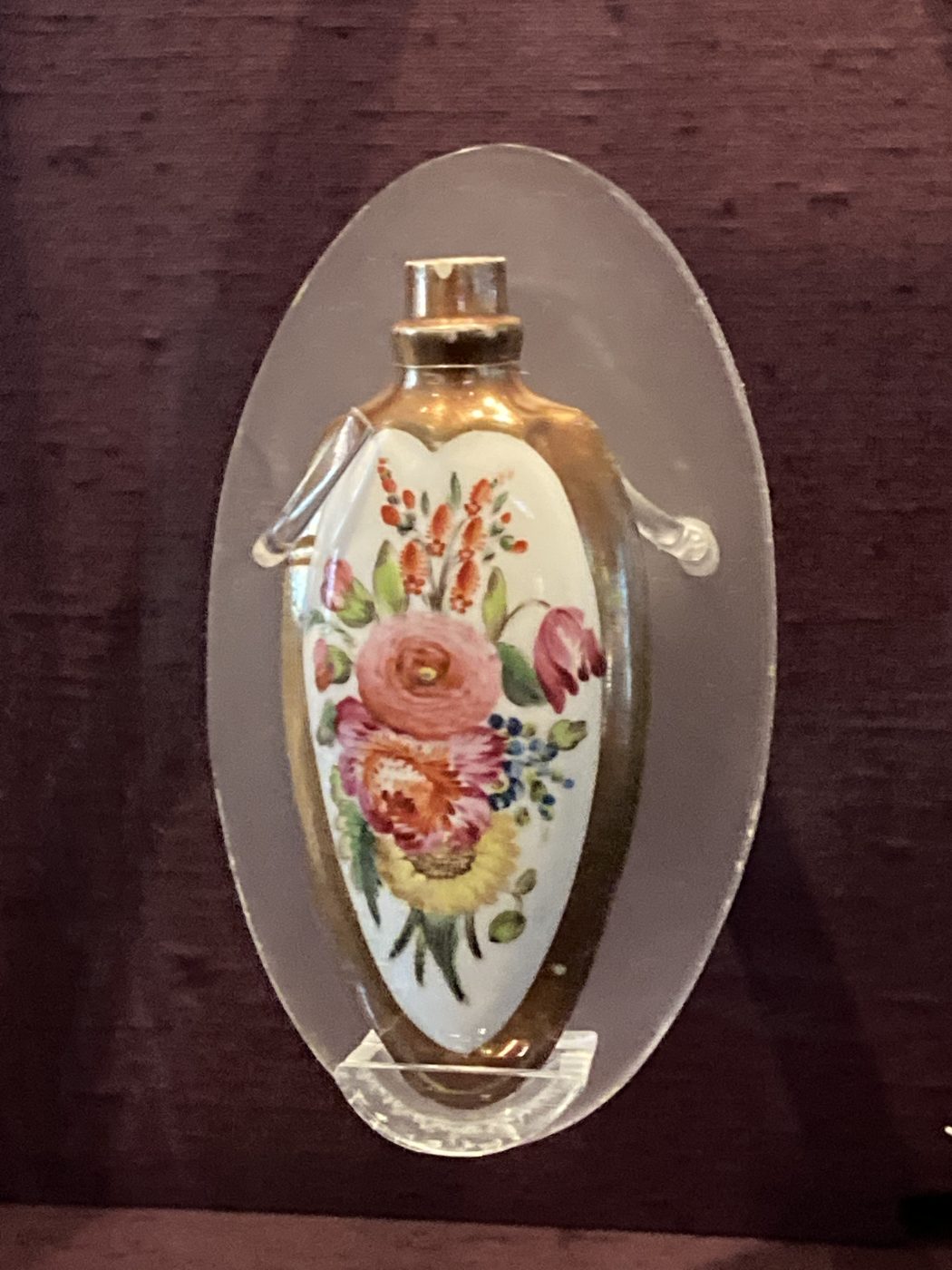
In the same chapter, as Jane is taking care of Mr Mason in the “third story”, Jane is asked by Mr Rochester to fetch her volatile salts, of which there is a bottle on display in the parsonage.
Film Locations
Various ‘grand houses’ have been used in filmed versions of Jane Eyre, including Broughton Castle in Oxfordshire in the 2011 version of the novel.
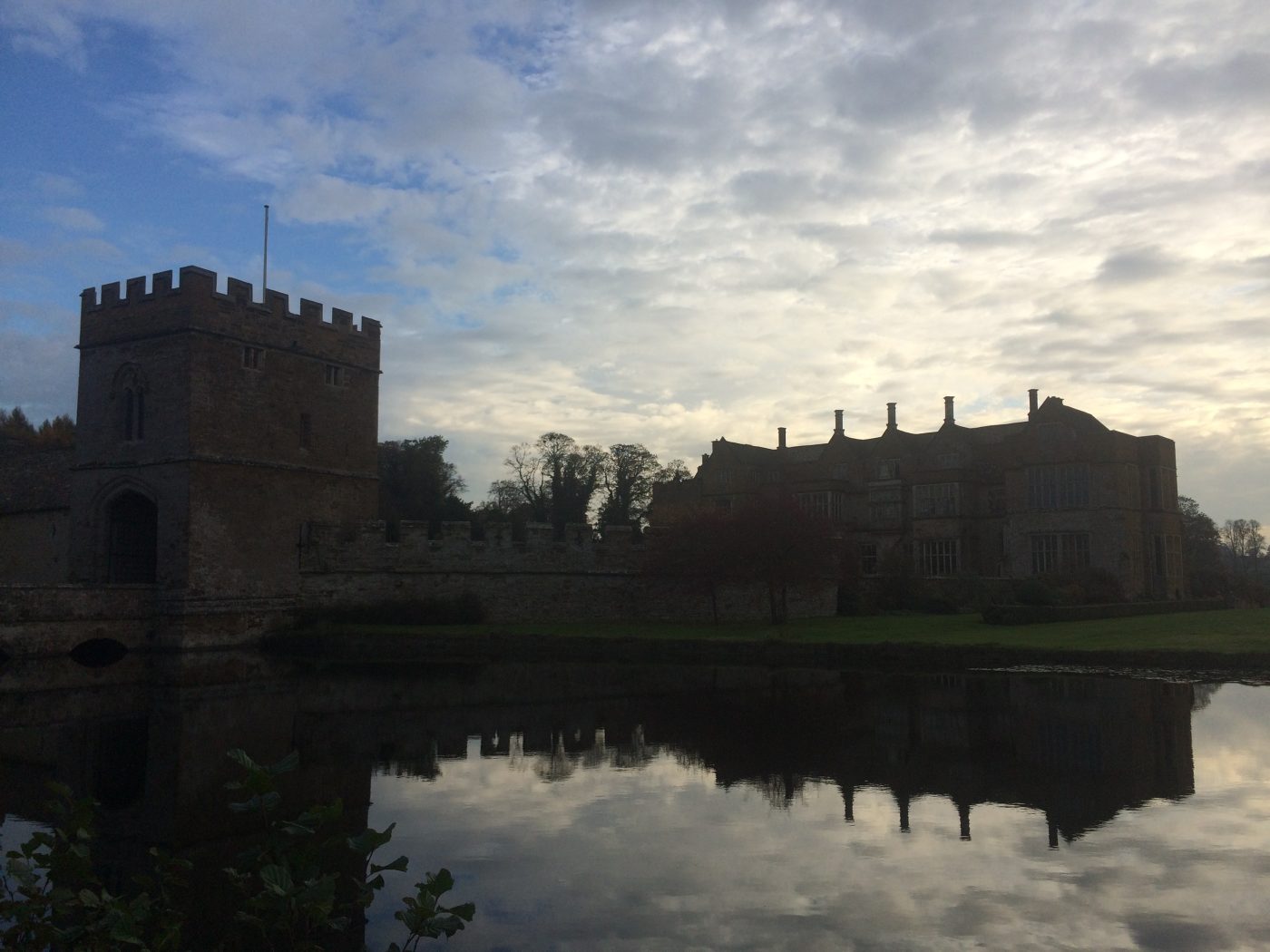
The location was used for some of the Lowood School scenes.
Located near Banbury, Broughton is the ancestral home of the Fiennes family.
This impressive manor house is suitably mysterious with its surroundings lakes and is a stunning site particularly in the winter.
Gardens scenes in the same movie were filmed in part at Chatsworth House, one of England’s best-known stately homes.
Director Fukunaga chose Chatsworth for some of the exteriors of Thornfield Hall.
The first meeting of Jane and Mr Rochester were filmed in the stately home’s grounds.
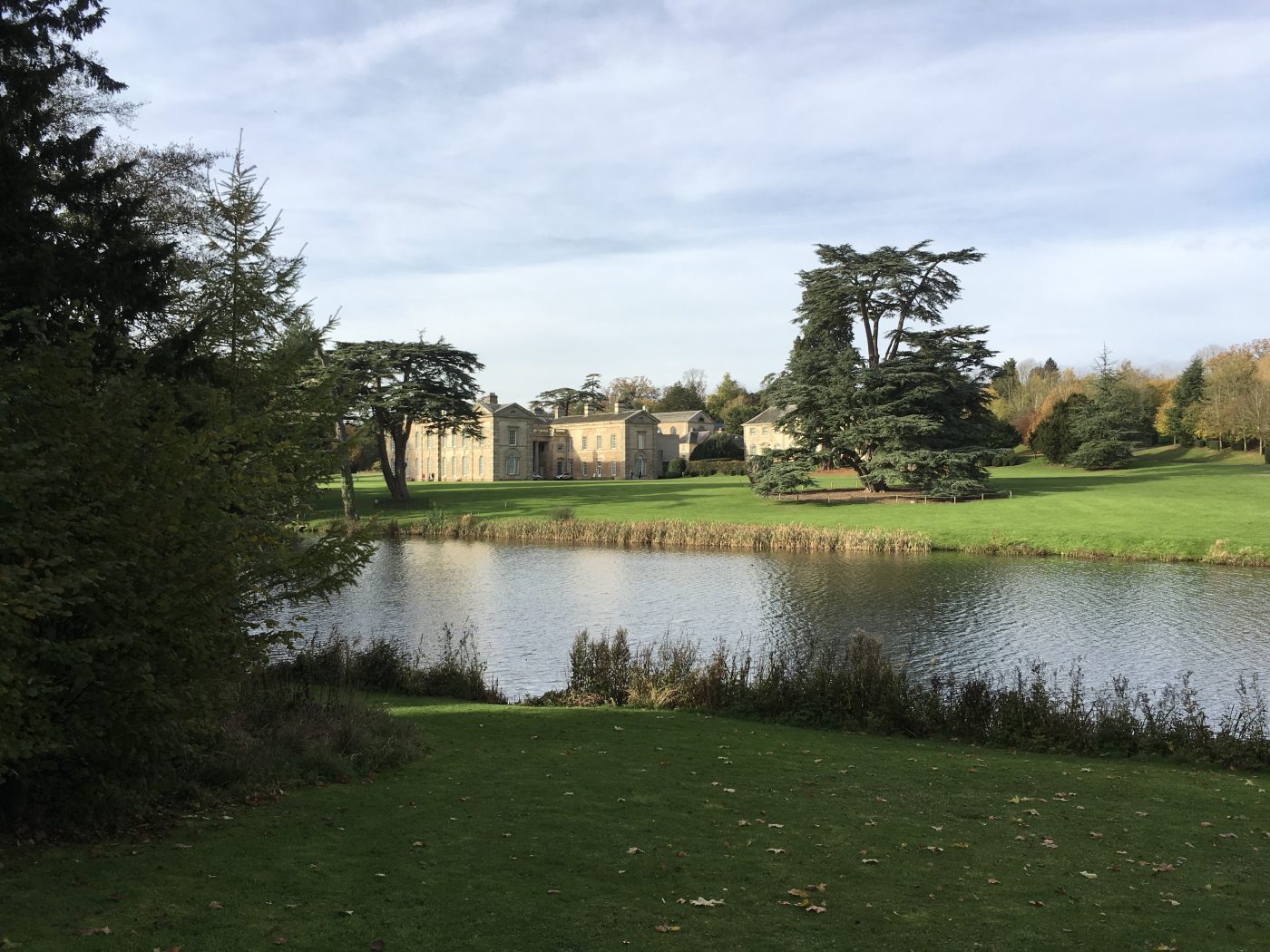
Find out more here: https://www.chatsworth.org
Other Buildings
1839 was the same year that Charlotte paid a visit to Bridlington during which time it is thought she was impressed by Bridlington Priory (see my special blog all about the Bronte seaside visits).